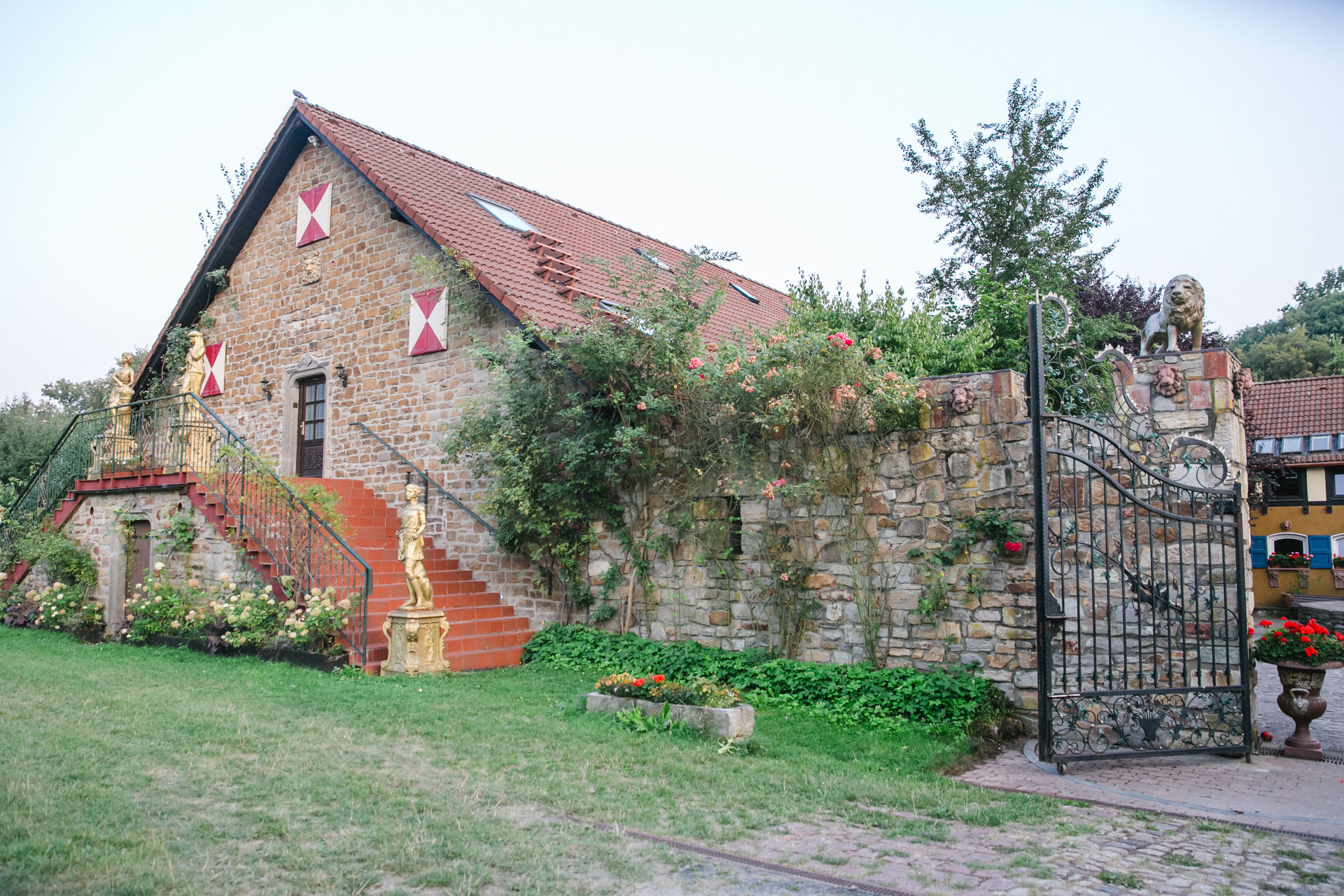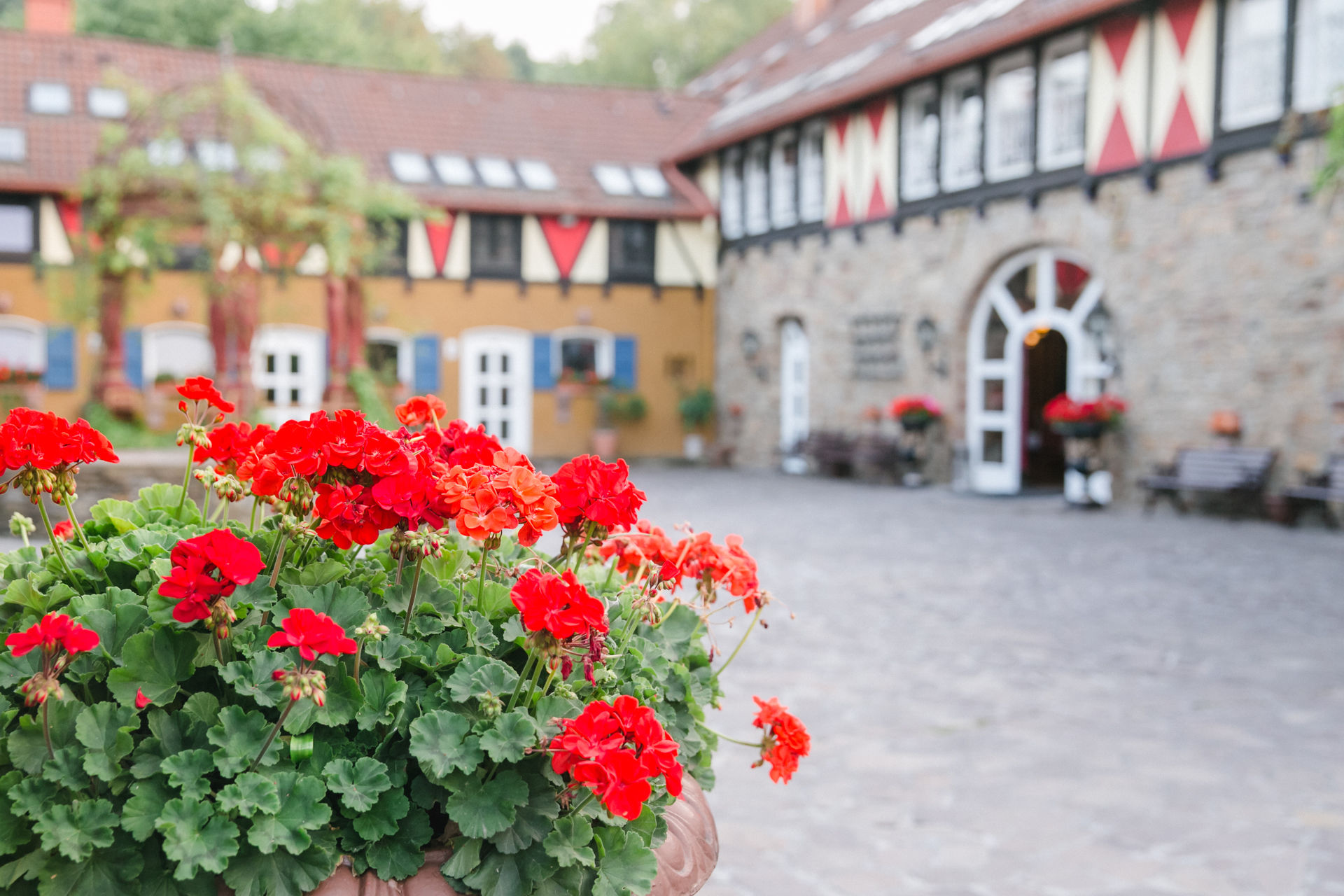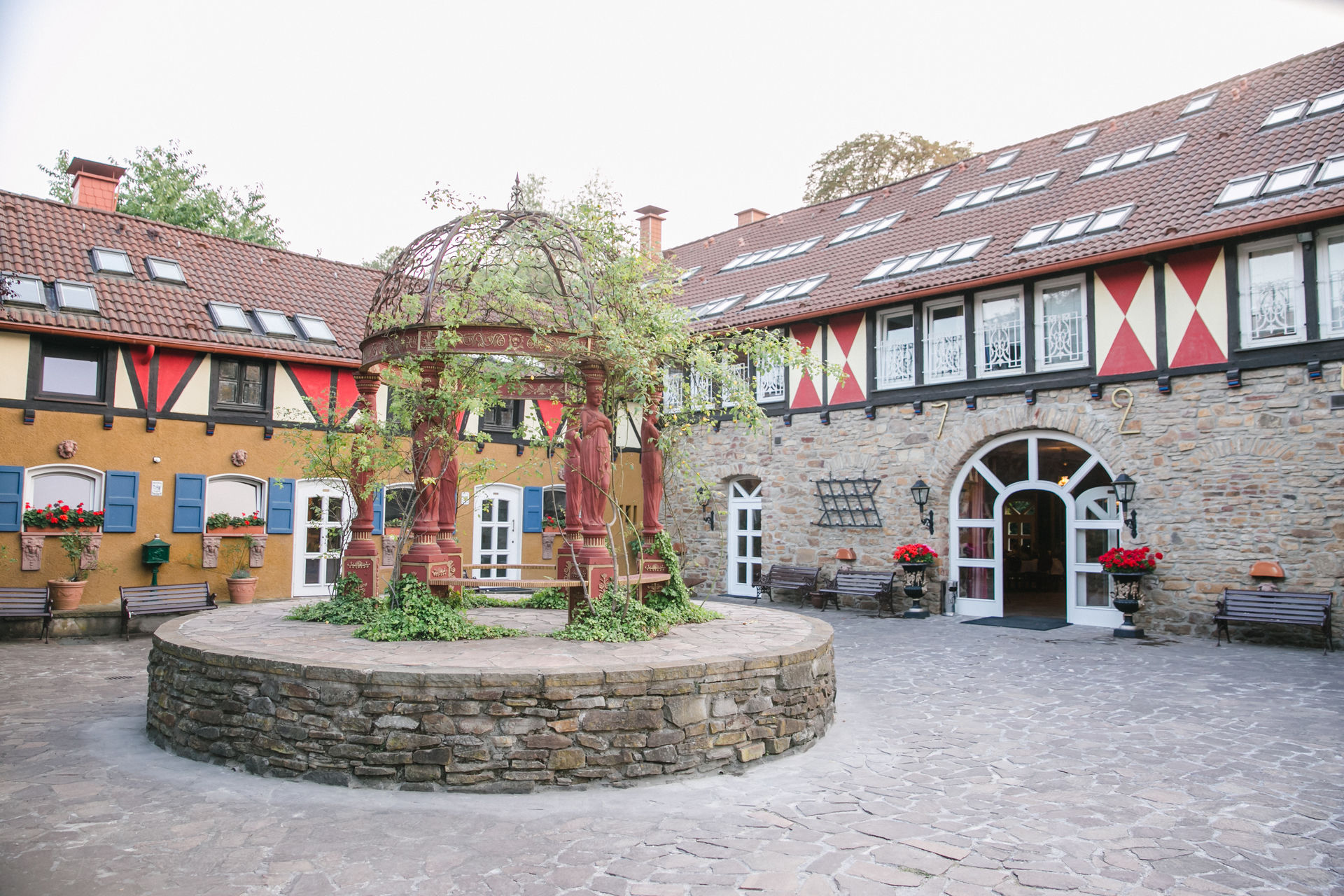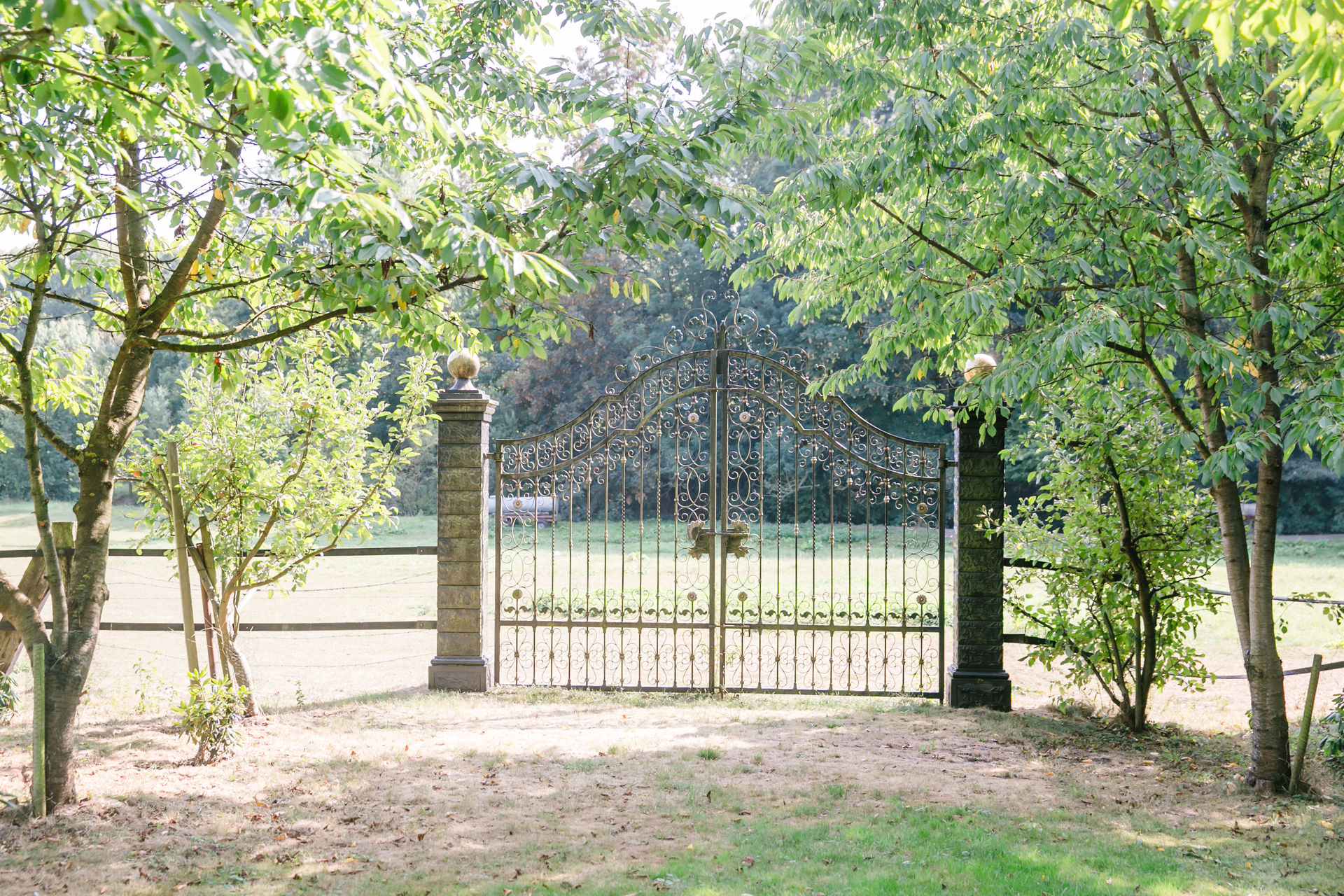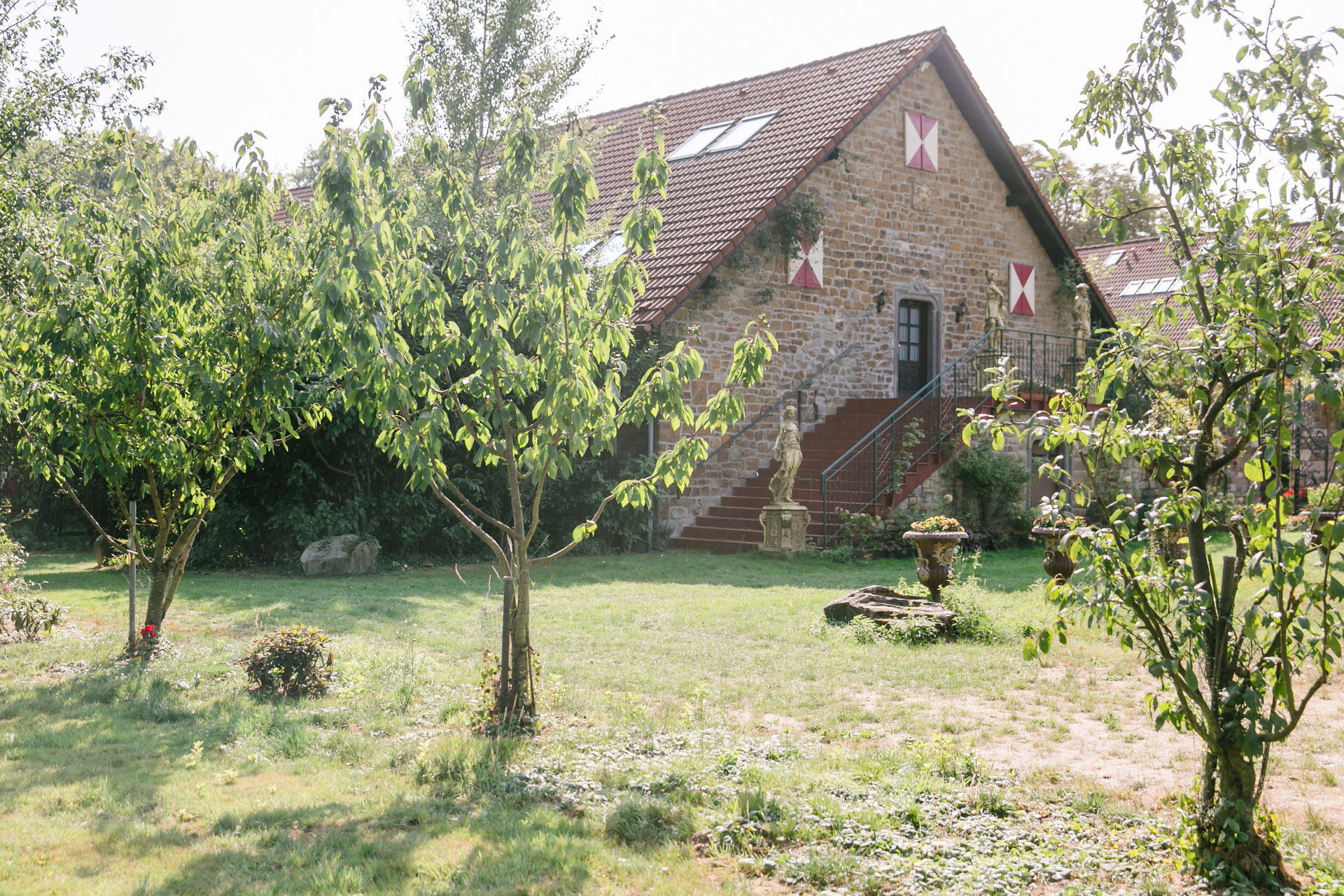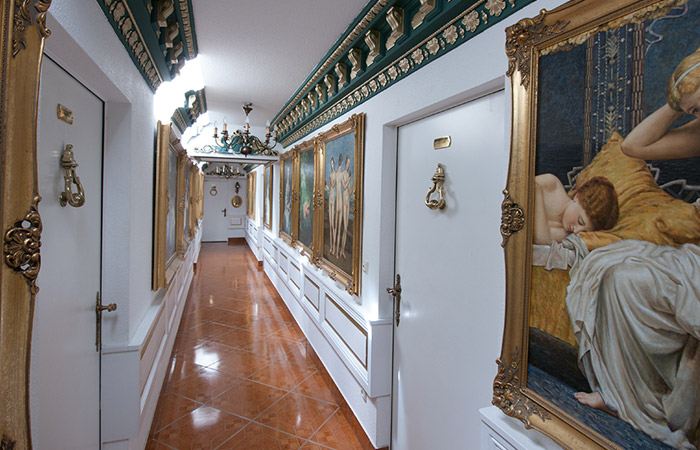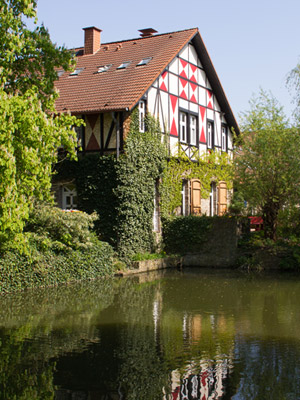
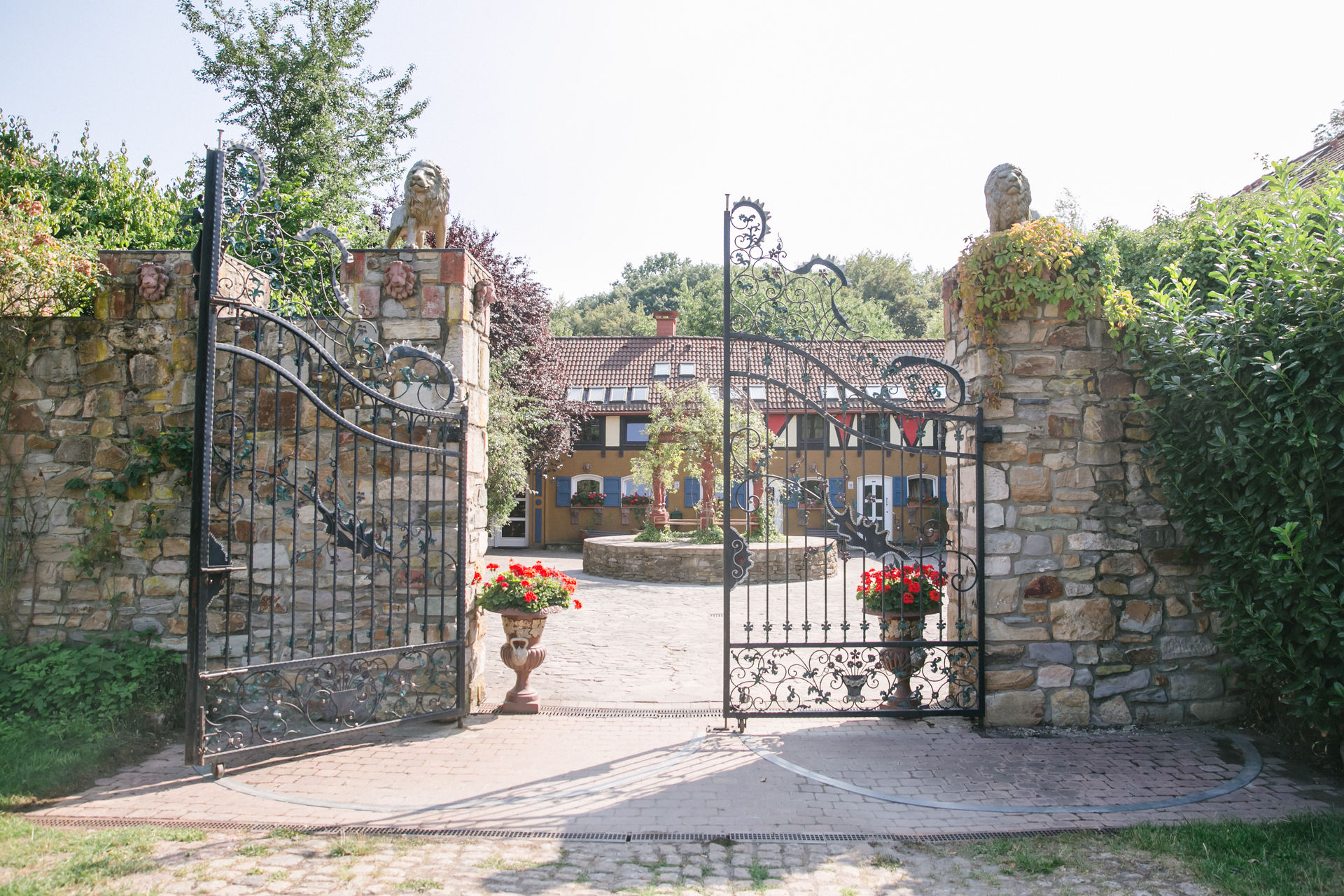
The Haus Laer manor is the oldest surviving secular building in the central Ruhr area. Its origins date back to 940, making it 300 years older than Cologne Cathedral. The old noble residence has been owned by the Freiherren von der Leithen family (ancient nobility since 1158) – Frielinghaus (Old Saxon/Franconian since 780) since 1480.
The first written documentary mention dates back to May 1, 1243.
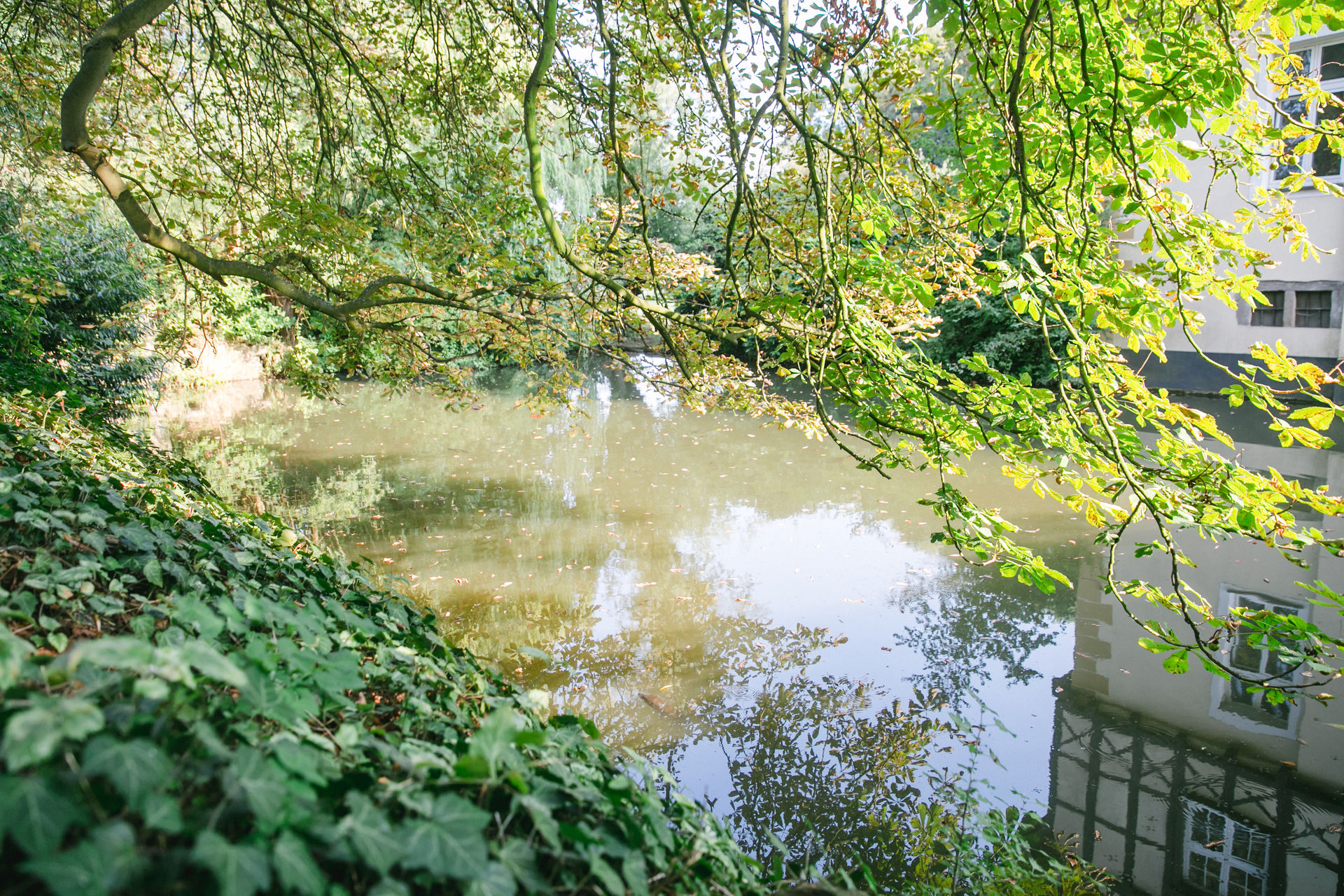
The fortifications, secured by meter-thick walls with embrasures and a moat, are divided into the outer bailey and the main castle. The smaller medieval castle still stands today in the moated castle built on oak piles.
Its supra-local architectural significance lies in the very rare preservation of its original exterior. The massive basement and ground floor with upright half-timbering under a gabled roof on the north and east facades of the main castle have been preserved to this day. This type of facade design was first seen in a depiction of the 33-meter-high Trajan's Column in Rome, erected in 113 AD.
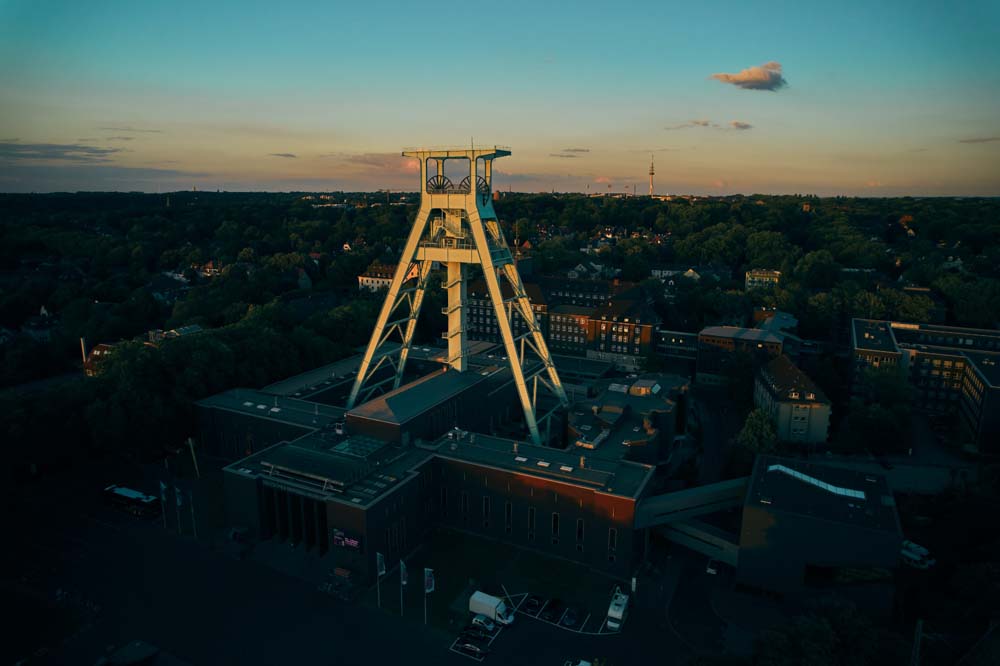
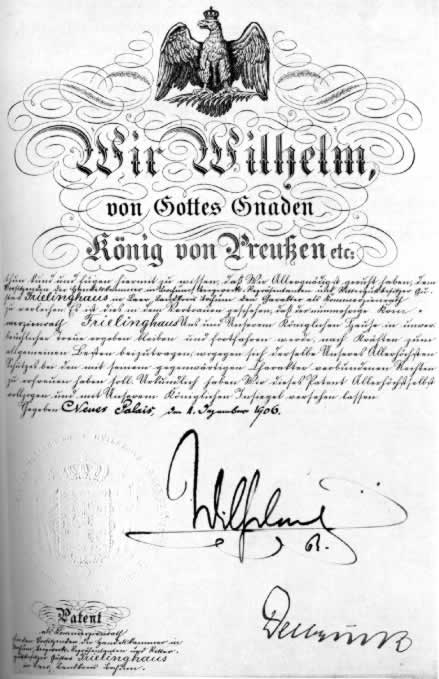
In 1906, Kaiser Wilhelm II, King of Prussia, personally awarded Gustav Frielinghaus the title of Kommerzienrat (commercial councillor). He was president of the chamber of commerce, general director of three coal mines, founder of Bochum-Gelsenkirchener Straßenbahnen AG (Bogestra) and owner of the Haus Laer manor.
Sie sind neugierig geworden? Dann kommen Sie uns besuchen – als Hotelgast, als Gastgeber*in oder im Rahmen unserer monatlichen Führungen: jeden letzten Freitag im Monat, 9.00h, Gebühr 10,-€ (nur mit Voranmeldung unter 0234/383044)!